
The Importance of Nutrition
Get ready for a flavorful adventure! Every month, our menu shines a spotlight on a different fruit or vegetable, adding a splash of excitement to your meals! Dive into our tip sheet for fun ideas, learn quirky facts about our featured ingredient, or sign up for the newsletter to join the delicious adventure! Let’s make healthy eating a fun journey together! 🍉🥦🎉
Harvest for Healthy Kids is a recognized evidence-based curriculum with the goal to promote health eating habits starting in early childhood. Sign up for the newsletter and bedazzle your child with your culinary skills!
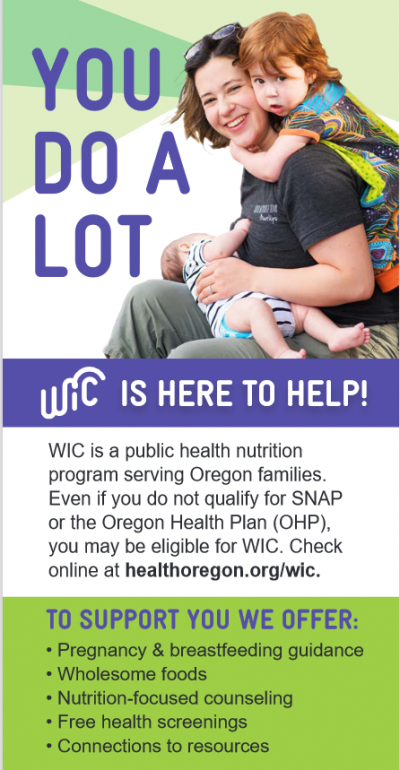
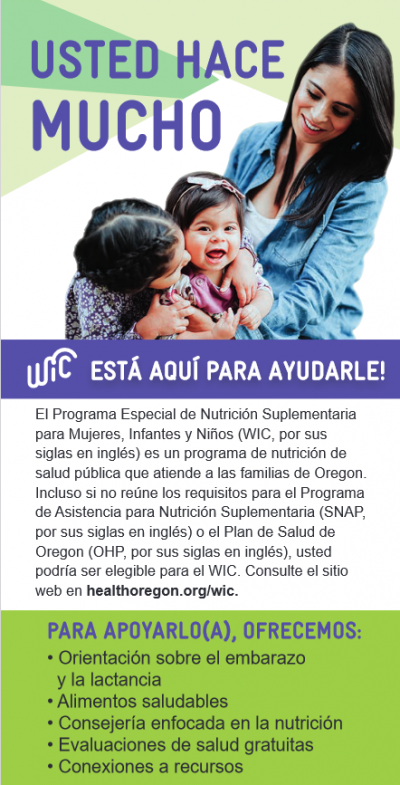
Learn More about WIC
WIC has an easy way for income-eligible parents with kids under age 5 to sign up.
Go to Oregon WIC Program to learn more
Nearest WIC Office addresses in Lane County
USDA Nondiscrimination Statement
In accordance with federal civil rights law and U.S. Department of Agriculture (USDA) civil rights regulations and policies, this institution is prohibited from discriminating on the basis of race, color, national origin, sex (including gender identity and sexual orientation), disability, age, or reprisal or retaliation for prior civil rights activity. For the full statement, click here.
Tips for Families
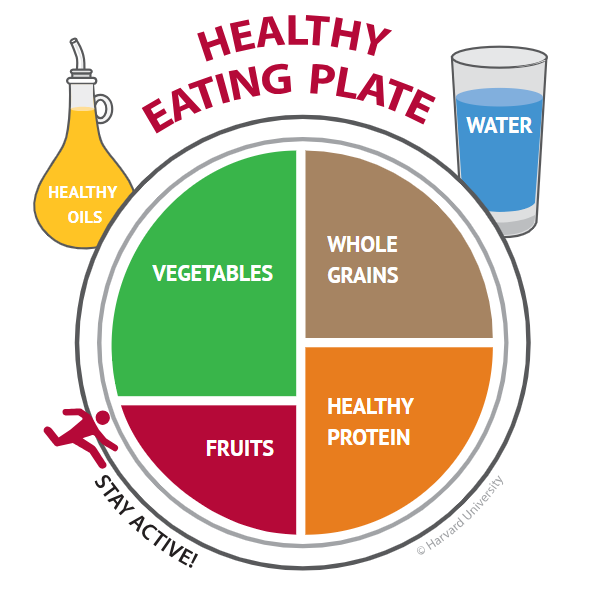
 Be flexible. Use different foods from the same MyPlate group. For example, if your child doesn’t like one vegetable, try another. All foods provide vitamins and minerals, but we need to eat different foods so we get a variety of vitamins and minerals.
Keep offering different fruits and vegetables, even if they are rejected at first. It takes repeated exposure, without forcing, for a child to try a new food.
Encourage your child to experiment with different tastes and textures. Children learn about foods by tasting, touching, and smelling. Offer your child different shape, sizes and textures of foods to stimulate interest. Let the child help fix foods into a variety of sizes or shapes.
Do not worry about how much your child eats at a single meal or even in a single day. Over a week, the choices should even out – and provide a balance of nutrients that best meet his or her needs.
Visit Ellyn Satter Institute: https://www.ellynsatterinstitute.org/how-to-feed/childhood-feeding-problems/
Quick Tips:
- Offer three meals and two healthful snacks a day.
- Let your child decide how much and which foods to put on their plate.
- Have your child help pick produce at the store and help prepare meals at home.
- Make mealtime happy. Do not force or bargain.
- Make mealtime fun. Cut food into shapes with cookie cutters.
- Let your child take small portions to try and offer new foods one at a time.
- Be a role model. Try new foods with your children.
Good sources of calcium
- All dairy products, except butter.
- Dried peas and beans
- Most dark leafy greens (beet and turnip tops, kale and collard)
- The soft bones of canned fish.
- One glass of milk has approximately 300 mg calcium and 1/2 cup of beet greens about 80 mg of calcium
Good sources of iron
- Red meats, such as beef, pork, dark meats of chicken and turkey, liver and liverwurst
- Dry beans, split peas, and lentils
- Dried fruits, such as raisins, prunes, and dried apricots
- Dark green and leafy vegetables, like mustard green, collard greens
- Whole wheat and enriched breads, grain and cereal products.
The iron from foods can be absorbed better by the body if eaten with foods that are good sources of Vitamin C, such as:
- Oranges, grapefruit, other citrus fruits and their juices
- Broccoli, raw cabbage, cauliflower, greens
- Cantaloupe, strawberries
- Tomatoes and tomato juice
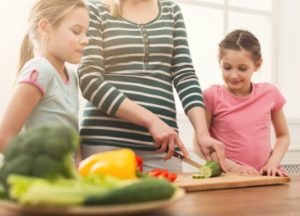
Eating five or more servings of fruits and vegetables a day is easy. One serving is less than many people think.
One serving is:
- One medium fruit, such as an apple, banana or orange.
- 1/2 cup cut-up fruit, such as fruit salad.
- 1/4 cup dried fruit, such as raisins, prunes, apricots, or dates.
- 1/2 cup raw or cooked vegetables such as broccoli, cauliflower, or zucchini
- 1 cup raw, leafy vegetables such as romaine or green leaf lettuce.